10 Best Character Names for Games: A Professional Guide
Selecting a character name is one of the most consequential creative decisions in game design. A well-chosen name establishes identity, reinforces narrative themes, and lingers in players' memories long after the credits roll. Whether you are developing a sprawling RPG, a competitive shooter, or an indie narrative adventure, the right name can elevate a character from forgettable to iconic. This listicle examines ten categories of character names that consistently resonate with players, offering practical examples and design rationale for each. These recommendations balance memorability, thematic fit, and phonetic appeal, making them valuable reference points for writers, designers, and worldbuilders alike.
1. The Evocative Classic
Names rooted in classical mythology and literature carry instant gravitas. Examples such as "Atlas," "Vera," or "Corin" evoke archetypal associations without feeling dated. These names work exceptionally well in fantasy and story-driven titles because they signal depth and heritage, giving players an immediate sense of the character's place in the world. Designers should favor recognizable but underused classical names to avoid cliché while retaining resonance.
2. The Sharp Monosyllable
Single-syllable names like "Kade," "Rook," "Vex," or "Joss" project confidence and punch. In action-oriented games, monosyllabic names are easily shouted, remembered, and localized. Their brevity also pairs well with strong character silhouettes and distinctive visual design. When a name lands hard and fast, players form associations quickly, which is invaluable in competitive and fast-paced genres.
3. The Thematic Occupational Name
Names derived from a character's role or trade—"Mason," "Fletcher," "Sable," or "Warden"—ground characters in their world. Occupational names communicate function and personality simultaneously, making them ideal for ensemble casts where players need to distinguish roles at a glance. In strategy games and RPGs, these names reinforce worldbuilding while remaining approachable.
4. The Invented but Intuitive Name
Constructed names such as "Kaelen," "Seraphine," or "Doran" feel fresh yet pronounceable. The key is phonetic familiarity: invented names should follow recognizable syllable patterns so players can read and say them effortlessly. This category excels in science fiction and high fantasy, where designers need names that feel alien yet accessible across language markets.
5. The Nickname-First Design
Some of gaming's most memorable characters are known primarily by handles, callsigns, or nicknames—"Ghost," "Cortana," "Glitch," or "Nova." Nickname-first names build mystique and suit genres where identity is fluid, such as cyberpunk and multiplayer shooters. They also grant designers flexibility: the true name can be revealed later as a narrative payoff.
6. The Culturally Grounded Name
Drawing from real-world cultural traditions—with research and sensitivity—yields names like "Amara," "Hiro," "Mateo," or "Priya" that feel authentic and inclusive. Culturally grounded names enhance representation and lend worlds a sense of lived-in realism. Designers should consult cultural advisors to ensure accuracy and avoid stereotyping.
7. The Contrast Name
Deliberate contrast between a gentle name and a formidable character—or vice versa—creates memorable tension. A ruthless warlord named "Primrose" or a gentle healer named "Brick" sparks curiosity and invites players to learn more. Contrast names are powerful tools for characterization, rewarding players who pay attention to narrative detail.
8. The Alliterative Pairing
Alliteration aids memory: "Mickey Malone," "Lara Croft," "Duke Dynamo." Repeated sounds make names sticky and quotable, which benefits marketing and fan culture. Use alliteration judiciously, as overuse can veer into comic-book camp, but a single well-placed pairing can define a franchise mascot for decades.
9. The Title-as-Name
Honorifics and titles functioning as names—"The Wanderer," "Elder Morrow," "Captain Vale"—convey status and mystery at once. This approach suits narrative games with enigmatic figures and gives designers room to expand lore. Titles invite player speculation, a hallmark of engaging worldbuilding and community theorizing.
10. The Timeless Everyname
Simple, familiar names like "Sam," "Anna," "Leo," or "Maya" anchor protagonists in relatability. In horror and narrative games especially, an ordinary name heightens immersion and vulnerability. The everyname reminds designers that memorability does not require complexity—sometimes the most enduring characters are the ones players feel they could meet in daily life.
Ultimately, the strongest character names share three qualities: they are easy to say, fitting to their world, and rich with implication. By drawing from these ten categories—and testing names aloud, across languages, and within the full context of gameplay—designers can craft identities that players will carry with them long after the game ends.
Male Video Game Character Names – LWLWY

Male Video Game Character Names – LWLWY
Video Games Characters Male

Video Games Characters Male
Popular Video Game Character Names

Popular Video Game Character Names
15 Best Video Game Characters Of 2024 – FDDC

15 Best Video Game Characters Of 2024 – FDDC
TOP 30 BEST GAMES WITH CHARACTER CUSTOMIZATION - YouTube

TOP 30 BEST GAMES WITH CHARACTER CUSTOMIZATION - YouTube
Video Game Characters Female Names

Video Game Characters Female Names
Cool Video Game Character Names Generator At Jessie David Blog

Cool Video Game Character Names Generator at Jessie David blog
Famous Video Game Characters Names

Famous Video Game Characters Names
Good Pc Names For Games – Gaming Names : 400+ Cool Gamertags & Game
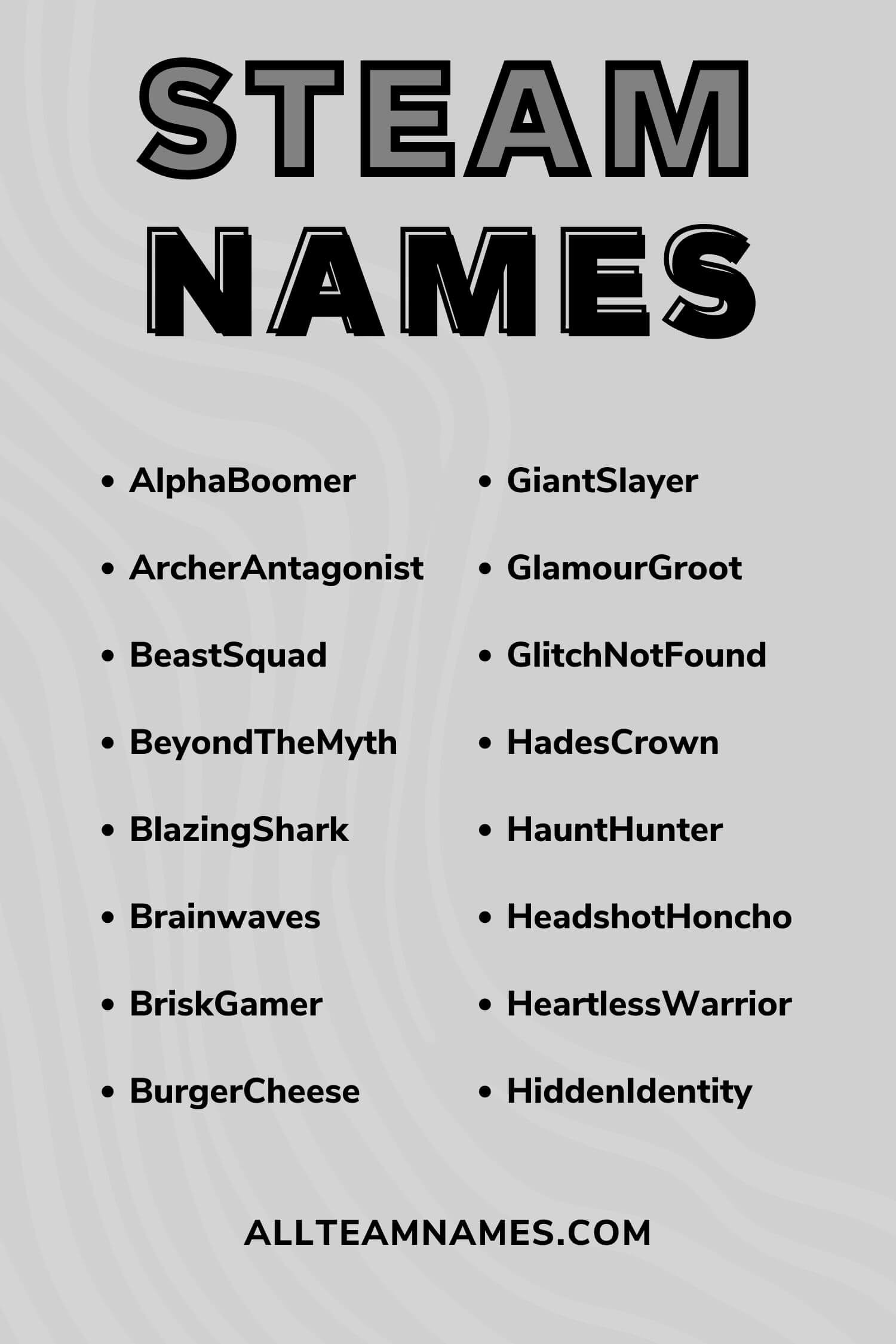
Good Pc Names For Games – Gaming names : 400+ cool gamertags & game ...
The Best Video Game Characters Of All Time | Shortlist
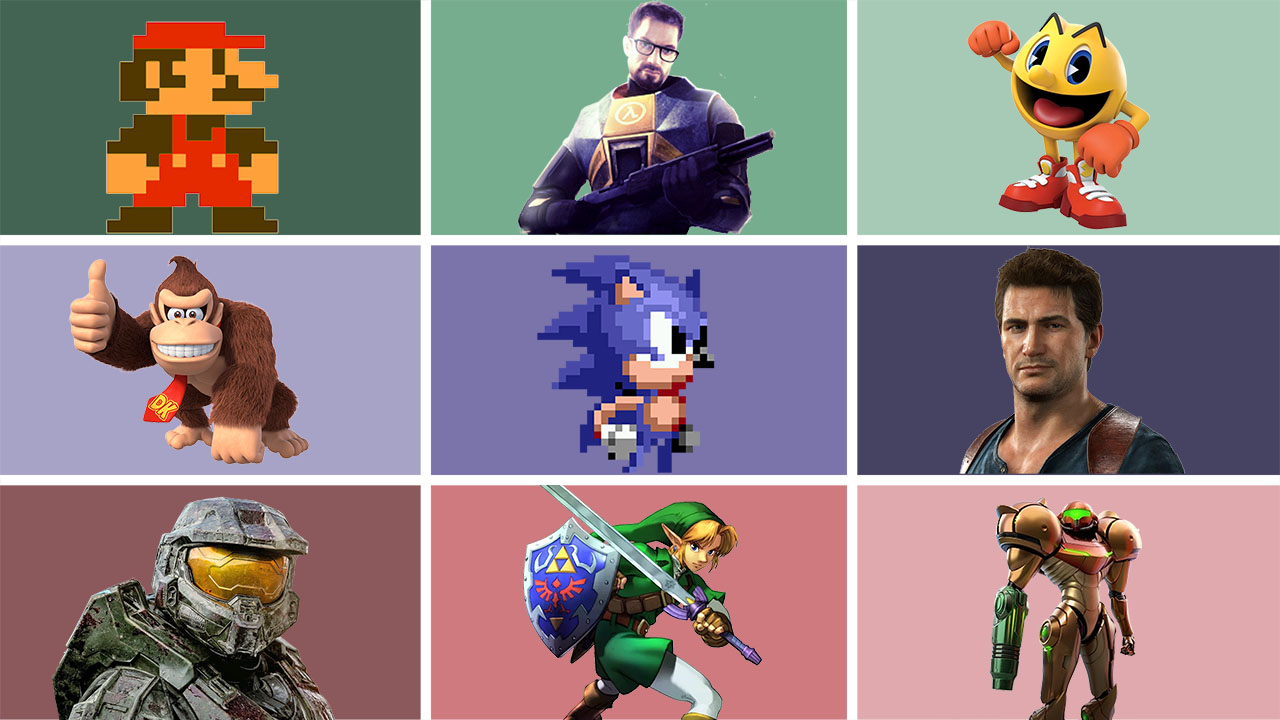
The best video game characters of all time | Shortlist
Famous Video Game Characters Names

Famous Video Game Characters Names
Popular Video Game Character Names

Popular Video Game Character Names
Coolest Video Game Character Names At Mark Cristobal Blog

Coolest Video Game Character Names at Mark Cristobal blog
Popular Video Game Character Names

Popular Video Game Character Names
Best Videogame Characters Tier List (Community Rankings) - TierMaker

Best videogame characters Tier List (Community Rankings) - TierMaker
From Astarion To Zagreus — These Are The Best Video Game Characters Of

From Astarion to Zagreus — these are the best video game characters of ...
Best Video Game Character Names Male At Maggie Rebecca Blog

Best Video Game Character Names Male at Maggie Rebecca blog
TOP 40 BEST GAMES WITH CHARACTER CUSTOMIZATION FOR YOU HAVE TO FUN

TOP 40 BEST GAMES WITH CHARACTER CUSTOMIZATION FOR YOU HAVE TO FUN ...
Famous Video Game Characters Names

Famous Video Game Characters Names
10 Xbox Series X Games With The Best Graphics

10 Xbox Series X Games With The Best Graphics
Best Gaming Protagonists , The 25 Best Heroes In Video Games Of All

Best Gaming Protagonists , The 25 best heroes in video games of all ...
Interesting Character Names – Famous Fictional Characters Names – RAGNLU

Interesting Character Names – Famous Fictional Characters Names – RAGNLU
Popular Video Game Character Names

Popular Video Game Character Names